
Sea Buckthorn Capsules: Benefits, Dosage, Side Effects & How to Choose
What the research actually supports, how many capsules the studies used, who should avoid them, and the six things to check on a label before you buy.
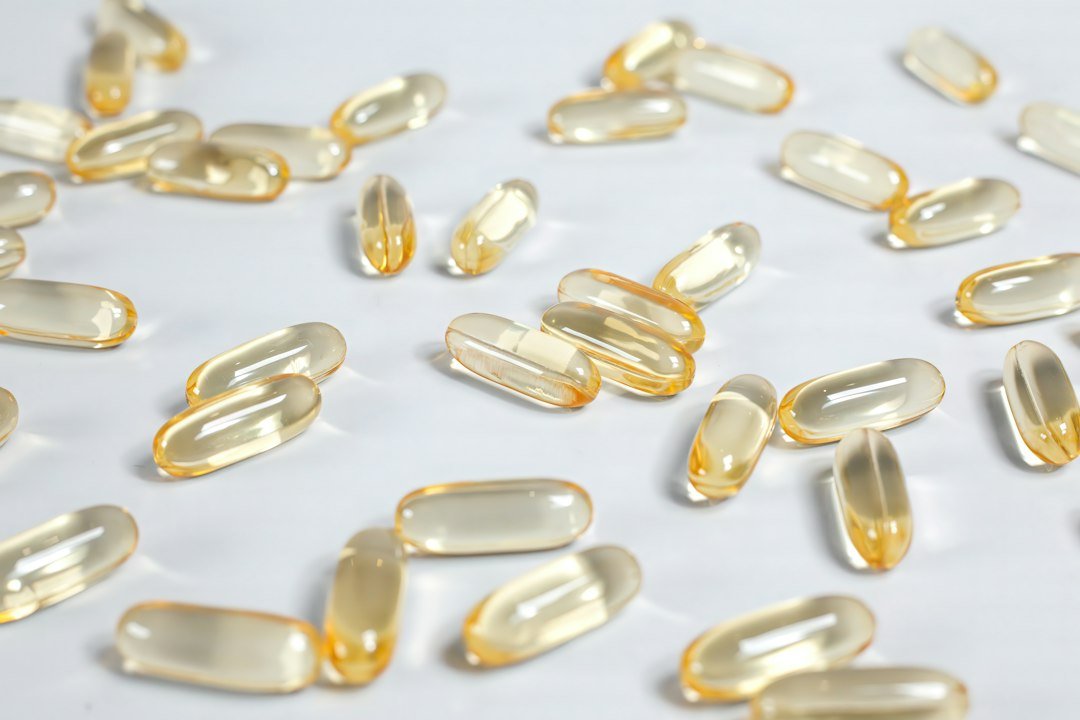
Sea buckthorn capsules are softgels filled with oil pressed from the berry's pulp, its seeds, or both. In human trials, 2–3 g of oil a day (usually 4–6 softgels of 500 mg) taken for 3 months improved dry eye symptoms and vaginal dryness. Side effects are uncommon and mostly digestive. People on blood thinners, pregnant or breastfeeding women and children should check with a doctor first.
- Most capsules contain fruit (pulp) oil, which is rich in omega-7, or seed oil, which is rich in omega-3 and omega-6. Blends contain both.
- The best human evidence is for dry eyes (2 g/day) and vaginal dryness after menopause (3 g/day), each over 3 months.
- A 2022 meta-analysis found sea buckthorn lowered triglycerides and LDL cholesterol, mainly in people with abnormal lipids, but did not change blood sugar, blood pressure or weight.
- Expect mild stomach upset at most. Take capsules with a meal and start low.
- Choose products that state the plant part, extraction method and omega-7 content, and that are third-party tested.
What are sea buckthorn capsules?
Sea buckthorn (Hippophae rhamnoides) is a hardy shrub whose bright orange berries are unusually rich in fatty acids, carotenoids, vitamin E and vitamin C. Capsules are the most convenient way to take its oil: no orange stains, no sour taste and a measured dose.
Not all capsules are the same. The label usually tells you which of these you are buying:
| Type | What's inside | Best known for |
|---|---|---|
| Fruit / pulp oil | Oil from the soft flesh and skin. Deep orange-red, high in omega-7 (palmitoleic acid) and carotenoids | Mucous membranes, skin, dry eyes |
| Seed oil | Oil from the seeds. Pale yellow, rich in omega-3 (alpha-linolenic acid) and omega-6 (linoleic acid) | General essential fatty acids |
| Seed + pulp blend | Both oils, often sold as “omega 3-6-7-9” | The form used in most clinical trials |
| Powder or extract capsules | Dried berry or leaf powder rather than oil | Vitamins and polyphenols, not omega-7 |
Labels that shout “omega-7” usually mean pulp oil. If a product doesn't say which part of the plant it uses, treat that as a red flag. Our guide to cold-pressed vs CO2-extracted sea buckthorn oil explains how the extraction method changes what ends up in the capsule.
Benefits: what the research shows
Sea buckthorn is often marketed as a cure-all. The human evidence is narrower, but some of it is good quality. Here is what has been tested in people, and how strong each finding is.
1. Dry eyes: moderate evidence
In a double-blind trial from the University of Turku, 100 adults with dry eye took 2 g of sea buckthorn oil or a placebo oil daily for 3 months through autumn and winter. Tear-film osmolarity, a key marker of dry eye, rose less in the sea buckthorn group, and redness and burning were milder [1]. In that study, 2 g was taken as four capsules a day.
2. Vaginal dryness after menopause: moderate evidence
A randomized trial in 116 postmenopausal women with dryness, itching or burning gave 3 g of oil a day for 3 months. The sea buckthorn group was about three times more likely to show improved integrity of the vaginal lining than the placebo group [2]. The study was run partly by an oil manufacturer, so independent confirmation would help. We cover this in depth in our guide to sea buckthorn for menopause and dryness.
3. Cholesterol and triglycerides: some evidence
A 2022 meta-analysis of 15 randomized trials found sea buckthorn lowered triglycerides, total cholesterol and LDL, and raised HDL. Subgroup results suggest the effect appears mainly in people whose lipids were already abnormal. The same analysis found no effect on blood sugar, blood pressure or BMI, and the studies varied a lot [3].
4. Skin hydration: early evidence
A 12-week Korean trial gave 90 women 500 mg a day of purified palmitoleic acid (omega-7). Skin hydration and barrier function improved compared with placebo, but wrinkles and elasticity did not [4]. That was a purified omega-7, not sea buckthorn oil, so treat it as supportive rather than proof. A systematic review of supplements for eczema rated sea buckthorn oil as having only preliminary evidence [5].
What the evidence does not show: there is no good human evidence that sea buckthorn capsules cause weight loss, treat diabetes, lower blood pressure or prevent cancer. Be wary of any product that claims they do.
Dosage: how many capsules a day?
There is no official recommended daily amount. The most useful guide is what the positive trials used, and those doses were well tolerated.
| Goal | Dose used in research | In 500 mg softgels | Duration studied |
|---|---|---|---|
| Dry eyes | 2 g oil per day | 4 per day | 3 months |
| Vaginal dryness (postmenopause) | 3 g oil per day | 6 per day | 3 months |
| General use (label dose) | 0.5–2 g per day | 1–4 per day | Follow the label |
- Take them with food. Oil is absorbed better with a meal, and food reduces stomach upset.
- Split the dose. Taking half with breakfast and half with dinner is gentler than all at once.
- Start low. Begin with 1–2 capsules a day for a week, then build up.
- Give it time. Benefits in the studies were measured after about 12 weeks, not days.
For a personalized starting point by form and body weight, try our sea buckthorn dosage calculator.
Side effects and who should avoid them
Sea buckthorn oil has a good safety record. In a 90-day toxicity study in rats, daily doses far above human intake caused no signs of harm [6], and the human trials above reported few problems. Still, “natural” does not mean risk-free.
Possible side effects
- Digestive upset: loose stools, bloating or nausea, usually at higher doses or on an empty stomach.
- Burping or an aftertaste: less common than with fish oil; taking capsules with food helps.
- Allergic reactions: rare, but stop immediately if you get a rash, itching or swelling.
Talk to your doctor first if you:
- take a blood thinner or antiplatelet drug (such as warfarin, apixaban/Eliquis, clopidogrel or daily aspirin), or have a bleeding disorder
- take medicine for blood pressure or diabetes
- are pregnant or breastfeeding (see our pregnancy safety guide)
- have surgery coming up: stop at least 2 weeks before
- want to give capsules to a child (see is sea buckthorn safe for children?)
For the full list of interactions and warning signs, read sea buckthorn side effects, interactions and who should avoid it.
How to choose a good product
Supplements are not approved by the FDA before they're sold, so quality varies. Check these six things on the label or the brand's website:
- Plant part. Fruit (pulp) oil, seed oil or a blend. If it's not stated, skip it.
- Extraction method. Supercritical CO2 or cold-pressed. Avoid hexane or other solvent extraction.
- Omega-7 content. Good labels give milligrams of palmitoleic acid per serving, not just “omega-7 complex”.
- Third-party testing. Look for USP, NSF or a published certificate of analysis for purity and heavy metals.
- Softgel shell. Most are bovine gelatin. Choose a plant-based shell if you're vegetarian.
- No disease claims. Products that promise to cure or treat conditions are breaking supplement rules.
Brands people often search for include Pharma Nord, New Chapter and Sibu. We haven't lab-tested capsule brands, so use the checklist above to compare any product you're considering. For topical oils, see our best sea buckthorn oil for face guide.
Capsules vs oil, juice and powder
| Form | Main strength | Drawback |
|---|---|---|
| Capsules | Exact dose, no taste or stains, travel-friendly | Usually gelatin; cost per gram is higher |
| Liquid oil | Can be used on skin as well as taken by mouth | Strong taste, stains orange |
| Juice | Vitamin C and polyphenols; food-like | Very sour; little omega-7 per serving. See our juice guide |
| Powder | Easy to add to food; contains fiber | Low in oil; quality varies. See our powder guide |
Frequently asked questions
Are sea buckthorn capsules safe to take every day?
For most healthy adults, yes. Clinical trials used 2–3 g of oil daily for 3 months with few side effects. Check with your doctor first if you take blood thinners, blood pressure or diabetes medicine, or are pregnant or breastfeeding.
What are the side effects of sea buckthorn capsules?
The most common are mild digestive symptoms such as loose stools, bloating or nausea, especially on an empty stomach. Allergic reactions are rare. Taking capsules with food and starting with a low dose reduces side effects.
How many sea buckthorn capsules should I take a day?
Follow the label. In research, 2 g of oil a day (four 500 mg softgels) was used for dry eyes and 3 g a day (six softgels) for vaginal dryness. Start with 1–2 capsules a day and build up over a week or two.
What is the best time to take sea buckthorn capsules?
With a meal that contains some fat, such as breakfast or dinner. Splitting the dose between two meals is gentler on the stomach. The time of day matters less than taking them consistently.
How long do sea buckthorn capsules take to work?
Studies measured benefits after about 3 months. Some people notice less dryness sooner, but give it at least 8–12 weeks before deciding whether it helps.
Can I take sea buckthorn capsules with blood thinners?
Only with your doctor's approval. Sea buckthorn may have a mild antiplatelet effect, which could add to the effect of warfarin, apixaban, clopidogrel or aspirin and raise the risk of bleeding.
Do sea buckthorn capsules help with weight loss?
There is no good evidence they do. A 2022 meta-analysis of randomized trials found no effect of sea buckthorn on BMI.
Is sea buckthorn oil better than fish oil?
They do different jobs. Fish oil supplies the long-chain omega-3s EPA and DHA, which sea buckthorn does not contain. Sea buckthorn's distinctive fat is omega-7. Some people take both; ask your doctor if you're unsure.
- Larmo PS, et al. Oral sea buckthorn oil attenuates tear film osmolarity and symptoms in individuals with dry eye. J Nutr. 2010;140(8):1462-8. PubMed
- Larmo PS, et al. Effects of sea buckthorn oil intake on vaginal atrophy in postmenopausal women: a randomized, double-blind, placebo-controlled study. Maturitas. 2014;79(3):316-21. PubMed
- Geng Y, et al. Effects of sea buckthorn on factors related to metabolic syndrome: a systematic review and meta-analysis of randomized controlled trials. Phytother Res. 2022;36(11):4101-14. PubMed
- Koh YG, et al. Efficacy and safety of oral palmitoleic acid supplementation for skin barrier improvement: a 12-week randomized, double-blinded, placebo-controlled study. Heliyon. 2023;9(6):e16711. PubMed
- Reynolds KA, et al. The role of oral vitamins and supplements in the management of atopic dermatitis: a systematic review. Int J Dermatol. 2019;58(12):1371-6. PubMed
- Zhao P, et al. Acute and subchronic toxicity studies of seabuckthorn oil in rodents. Regul Toxicol Pharmacol. 2017;91:50-7. PubMed
- National Center for Complementary and Integrative Health. Using Dietary Supplements Wisely. nccih.nih.gov
This article is for general information only and is not medical advice. Talk to your doctor or pharmacist before starting any supplement, especially if you take medication, are pregnant or breastfeeding, or have a health condition.