
 01
01
Health Benefits
Cardiovascular support, immune health, gut repair, and the science behind omega-7's role in metabolic health.
Explore Health →Science-backed guides on omega-7, skincare, supplements, and product reviews — written by registered dietitians and reviewed by board-certified physicians.
From clinical research to skincare routines — every guide is fact-checked, cited, and reviewed by medical professionals.
01
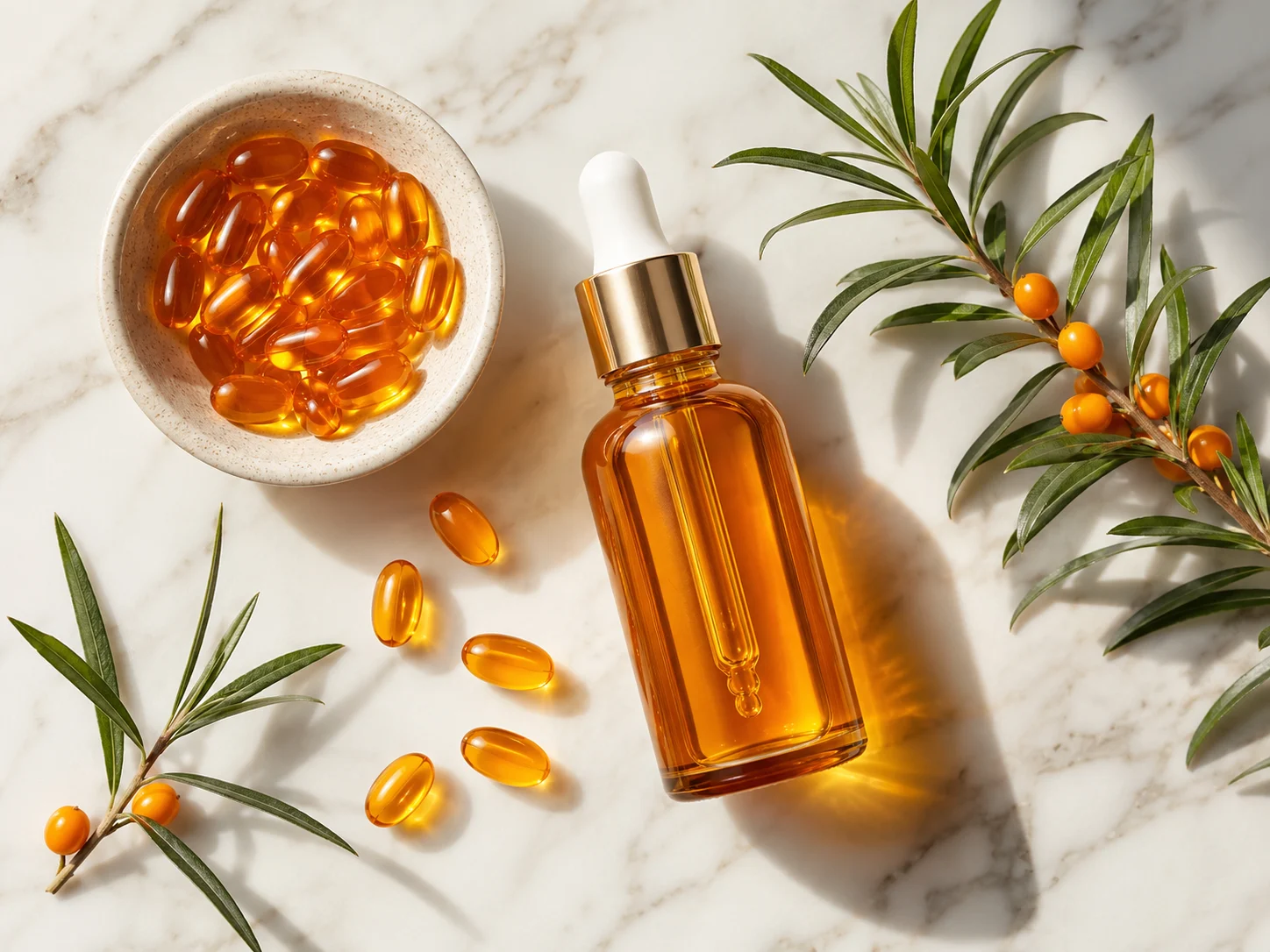
Cardiovascular support, immune health, gut repair, and the science behind omega-7's role in metabolic health.
Explore Health → 02
02
How to use seabuckthorn oil for anti-aging, acne, eczema, scars, and hair — with dermatologist-approved routines.
Explore Skincare →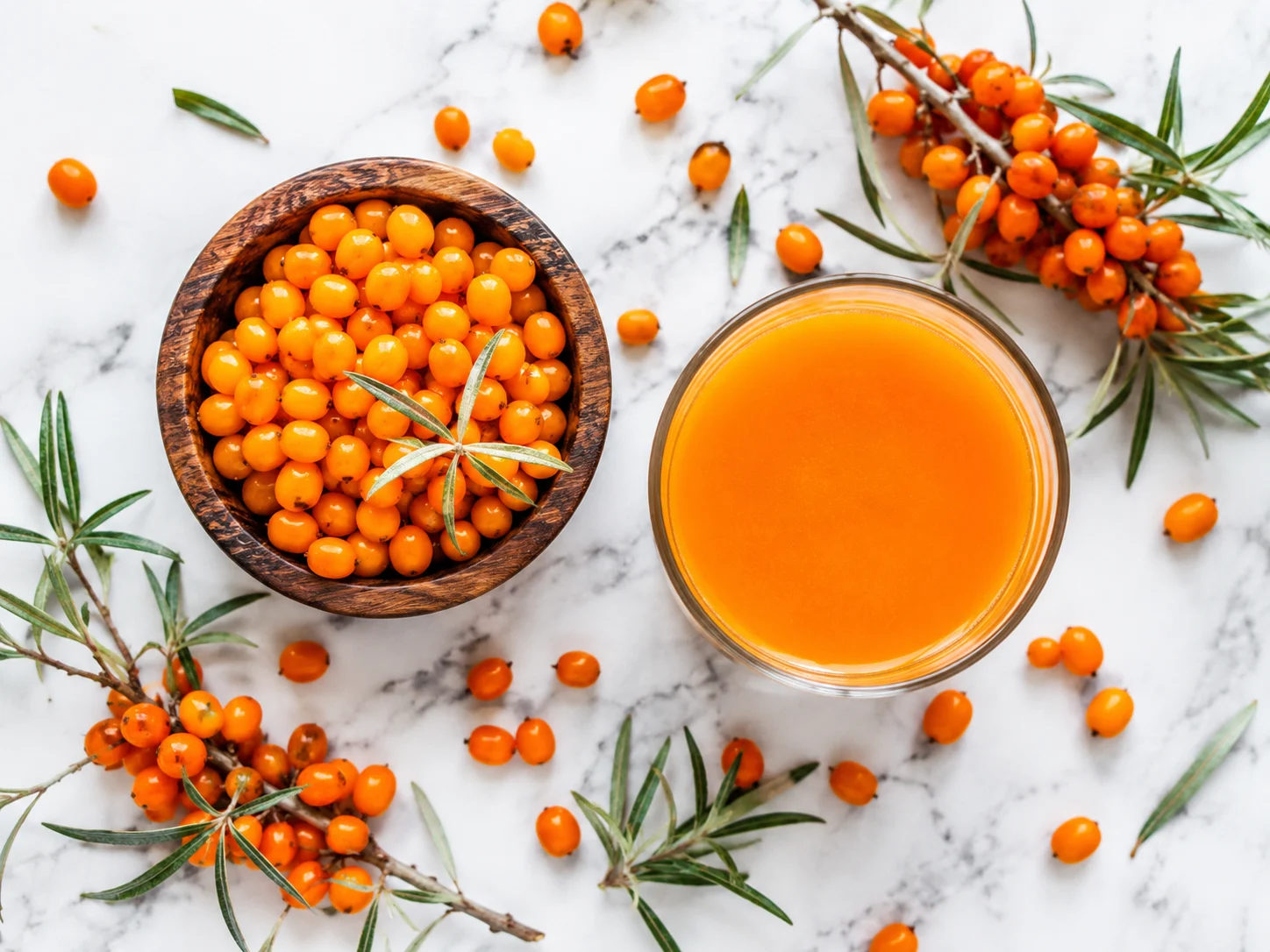 03
03
Berry, juice, powder, and supplement comparisons. Recipes, dosage charts, and how to source organic in the USA.
Explore Nutrition →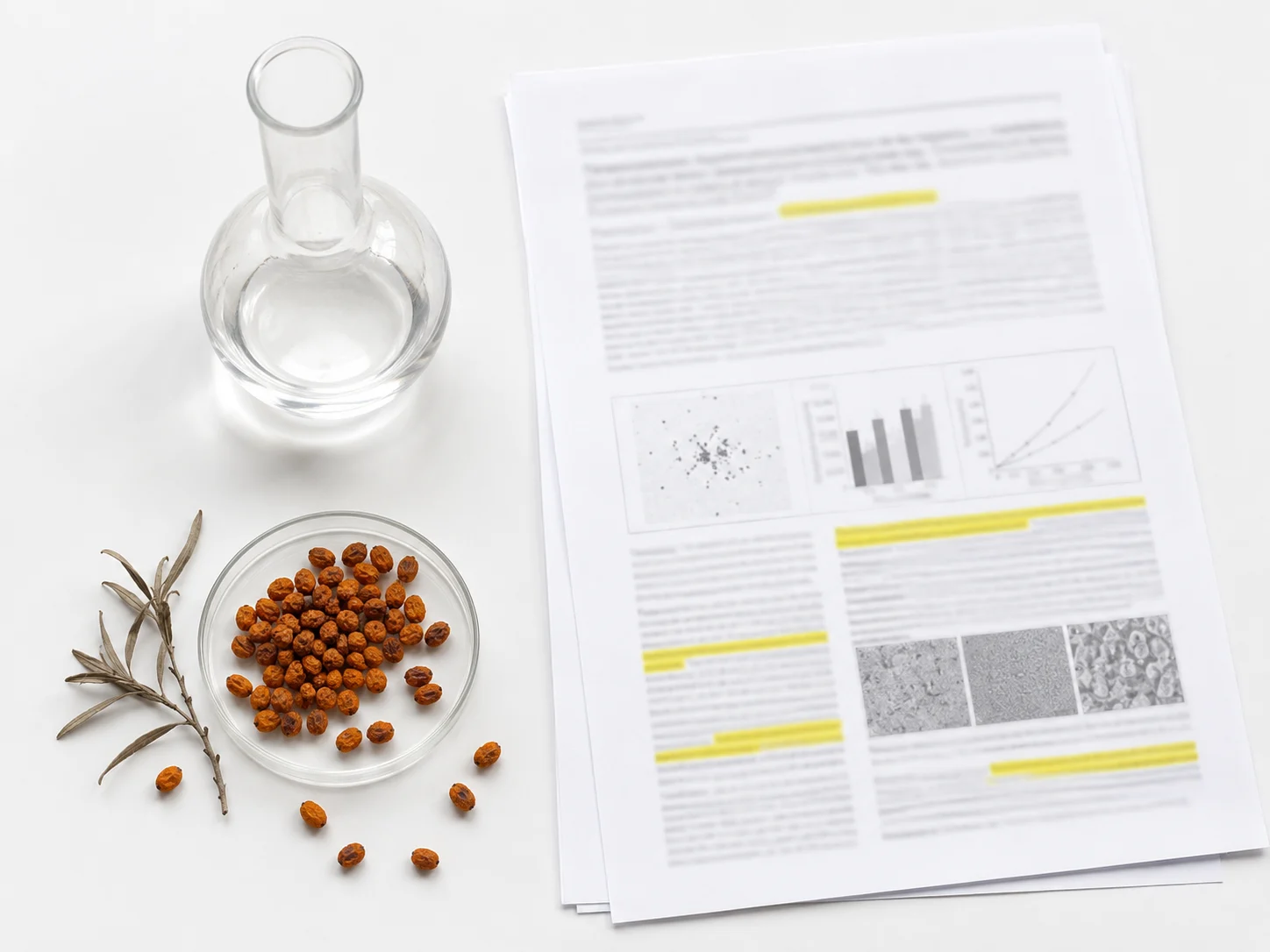 04
04
Clinical study summaries, extraction methods, sourcing transparency, and FDA / regulatory status in the USA.
Explore Science →Everything researchers, dietitians, and dermatologists want you to know — backed by 12 peer-reviewed citations from PubMed, NIH, and major medical journals.
The questions readers ask most — answered concisely, cited from peer-reviewed sources.
Seabuckthorn is good for skin health, heart health, dry-eye relief, gut and mucosal repair, and immune support. Its rare omega-7 (palmitoleic acid) content, combined with high vitamin C and antioxidants, supports cell membrane health and reduces oxidative stress.
Yes — at dosages used in clinical research (1–3 grams of oil per day), seabuckthorn is safe for daily long-term use in healthy adults. People taking blood thinners, blood pressure medication, or diabetes drugs should consult a doctor first.
Topical effects on skin texture appear within 2–4 weeks. Skin elasticity, cardiovascular markers, and dry-eye relief are typically observed at the 8–12 week mark in clinical trials.
The FDA does not "approve" foods or supplements the way it approves drugs. Seabuckthorn is recognized as food and is Generally Regarded as Safe (GRAS) at culinary levels. Supplements are regulated under DSHEA.
Sharp, tart, slightly oily, with notes of passion fruit and orange peel. Most commercial juices blend it with apple or pear juice to balance the tartness.